


The article below is an abstract of a research paper on parathyroid surgery that was presented in the Spring of 2003 at the largest endocrinology conference of the year regarding what endocrinologists think about the different types of parathyroid surgery. This very interesting research was conducted by the Endocrine Surgery Department at USF under the direction of Dr Norman. The purpose of this study was to determine how mini-parathyroid surgery has changed the way parathyroid disease is treated by the endocrinologists. The full text article for this abstract was published in the December 2003 journal Surgery (Surgery 2003;134:910-917). Additional information has been added over the years to keep this page up to date.
Board Certified Endocrinologists belonging to the American Association of Clinical Endocrinologists (AACE Web Site) were surveyed regarding how they treat patients with parathyroid disease. A total of 788 endocrinologists responded to this study--all of whom treated patients with parathyroid problems. Bottom line: If the endocrinologists had to have a parathyroid operation performed on themselves or one of their family members, 96% would have a MIRP! Nearly all of these doctors said they would travel to another town to get mini parathyroid surgery if it was not available in their area!
Aim: To determine the impact that Minimally Invasive Radioguided Parathyroid Surgery (MIRP) is having on the way endocrinologists treat hyperparathyroidism.
Methods: The membership of the American Association of Clinical Endocrinologists was surveyed by mail regarding physician practices and surgical referral patterns for parathyroid disease. The survey utilized a visual analog scale (VAS) and multiple-choice questions. The associations were tested for statistical significance using Chi-square and logistic regression. Data are mean SEM.
Results: The 788 responding endocrinologists had been practicing for an average of 17 years. They referred an estimated 63% of all patients with parathyroid overactivity for operative treatment, and typically utilized parathyroid localizing studies prior to surgical referral (Sestamibi scan most commonly). 80% indicated that the availability of mini parathyroid surgery (MIRP) would (or has already) increase the number of patients referred for parathyroid surgery, to near 95% of all of their patients with parathyroid disease. Endocrinologists identified parathyroid symptoms, calcium homeostasis, bone density, health status, risk of general anesthesia, and patient age as the most important factors in their decision to send their patients for a parathyroid operation. By far the most important factor in deciding whether to send a patient for a parathyroid operation was the availability of an expert parathyroid surgeon, and their ability to perform a mini-operation.
Endocrinologists also indicated that the availability of Minimally Invasive Radioguided Parathyroid surgery (MIRP) would change the extent and duration of their preoperative workup of their parathyroid patients they would send for surgery (p<0.0001). In other words, they overwhelmingly stated that if their patients could have a mini parathyroid operation (MIRP) rather than a standard parathyroid operation, they would order fewer tests and send the patient for an operation much sooner. Younger endocrinologists were statistically more likely to refer patients for mini surgery (p=0.001) sooner and thus alter the extent of the preoperative work-up for these parathyroid patients (p=0.03).
More than 50% of endocrinologists stated that they had one or more patients who underwent a standard parathyroid operation in the past who had a significant complication, or who were not cured by the operation. These endocrinologists were more anxious to send their patients for a minimal parathyroid operation (p=0.02).
Finally, when asked if they had to have a parathyroid operation themselves, 96.5% of all endocrinologists stated they would have a Minimally Invasive Radioguided Parathyroidectomy (MIRP) rather than a standard operation (p<0.0000001).
Conclusions: These data confirm the clinical impression seen by the authors (Dr. Norman, et, al.) that mini parathyroid surgery lowers most endocrinologist's threshold to refer parathyroid patients for surgery. Moreover, having mini parathyroid surgery available for their parathyroid patients is very likely to decrease the number of tests these doctors order. The availability of mini parathyroid surgery will also decrease the time from diagnosis to referral--so the amount of complications such as osteoporosis will be less. Because of the perceived shortcomings of traditional parathyroid surgery, endocrinologists are rapidly embracing minimally-invasive parathyroid techniques validated by disciplined outcomes research.
Editorial Note: If your endocrinologist would find an expert parathyroid surgeon to perform a mini parathyroid operation on them (or their spouse), what does that say for the old-fashioned operation being performed by general surgeons at your local hospital? They wouldn't do it, why should you?
Update, August, 2013. A more recent poll shows that 99.1% of endocrinologists would travel to another state to have surgery by an expert parathyroid surgeon rather than have their operation by a local general surgeon. In fact, 86% said they would travel to another state to have this operation by an expert rather than have the operation performed by the surgeon they send their patients to! What does that tell you about the tricky nature of this operation? They wouldn't let their local general surgeon or ENT surgeon do their parathyroid operation. We can't operate on everybody, but please, find an expert parathyroid surgeon. We are tired of the 3-4 calls we get every day from people who were operated on by a surgeon who told the patient he/she could do this operation because they had a scan that was positive. Folks, its not about the scan, its about the skill of your surgeon. Please be smart out there!
We operate on an average of 5 doctors per week, and about 12 nurses per week. Now you know why.
What to read next
- Click Here to read more about Minimally Invasive Radioguided Parathyroid surgery (the MIRP Procedure).
- Click Here to see how mini parathyroid surgery is performed.
- Click Here to read about other patient's experiences having a MIRP at the Norman Parathyroid Clinic.
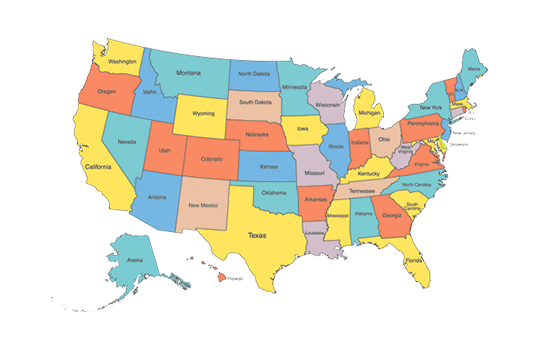
- See a Map of where our patients come from.
- How to become our patient
This page was last updated: 10/27/2022