


How Unmatched Clinical Volume Powers the Hospital for Endocrine Surgery Research Institute
When patients, physicians, and researchers visit parathyroid.com, thyroidcancer.com, or adrenal.com, they are seeing the public face of a much larger clinical and scientific effort. Each of these platforms reflects the same underlying foundation: the extraordinary clinical volume of the Hospital for Endocrine Surgery.
The Hospital for Endocrine Surgery Research Institute
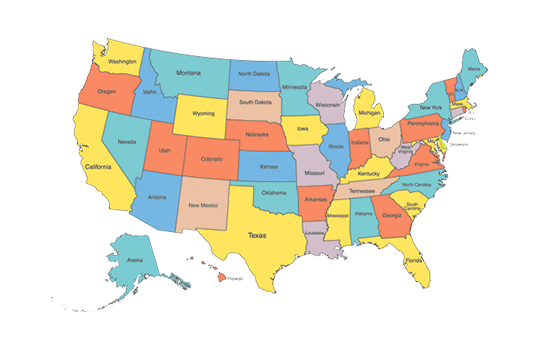
In the first three years since opening, our hospital has treated more than 25,000 patients from all 50 states and over 90 countries. In a recent month alone, our surgeons performed more than 500 endocrine operations. This level of experience is not common in medicine, and it is not accidental. It is the result of a hospital designed exclusively around endocrine surgery.
That same clinical volume is what made the creation of the Hospital for Endocrine Surgery Research Institute both possible and necessary.
Why Clinical Volume Matters in Surgical Research
In surgical science, meaningful conclusions depend on sample size. Many published studies are based on dozens of cases collected over many years. While those efforts are valuable, they often lack the statistical power to define best practices with confidence.
At the Hospital for Endocrine Surgery, our research is grounded in thousands of procedures performed every year under consistent protocols. This allows us to study outcomes at a scale that few institutions in the world can match. Clinical volume transforms experience into evidence. It allows patterns to emerge, techniques to be refined, and assumptions to be tested against real-world data.
The Research Institute exists to ensure that this data is captured, analyzed, and shared responsibly.
Specialized Surgical Silos Create Research-Grade Data
Our hospital is organized into focused surgical programs dedicated exclusively to parathyroid, thyroid, and adrenal disease. Each surgeon operates within a single organ system. This structure improves patient care, but it also creates something equally important for research: consistency.
Parathyroid Surgery
Our parathyroid program evaluates and treats a volume of patients that allows for detailed study of operative findings, pathology, laboratory trends, and long-term outcomes. This consistency enables accurate longitudinal analysis across thousands of cases.
Thyroid Surgery
The thyroid program manages a high concentration of complex benign and malignant disease. This depth of experience supports ongoing research into surgical technique, cancer behavior, and postoperative outcomes.
Adrenal Surgery
Our adrenal program treats rare and high-risk conditions that are often difficult to study elsewhere due to low case numbers. Concentrating these cases in one center creates a uniquely valuable dataset.
Together, these specialized programs generate structured, reproducible data that forms the backbone of the Research Institute.
From the Operating Room to Peer-Reviewed Evidence
The foundation of the Hospital for Endocrine Surgery Research Institute is the operating room. Every procedure performed within our surgical programs is documented with precision. Operative findings, pathology reports, surgeon documentation, and laboratory results are systematically captured and reviewed.
This information is incorporated into a longitudinal endocrine surgery database that allows outcomes to be tracked over time. The goal is not simply record keeping. The goal is continuous improvement and scientific contribution. By studying large numbers of real-world cases, we are able to validate techniques, identify trends, and challenge outdated assumptions in endocrine surgery.
The HFES Longitudinal Endocrine Surgery Database
The Research Institute maintains a comprehensive database that includes clinical, biochemical, and surgical outcomes from more than 25,000 procedures and continues to grow. Unlike generalized hospital databases, this system is designed specifically for endocrine disease.
It allows researchers to examine organ-specific variables, procedural details, and long-term results in a way that is both accurate and clinically relevant. This depth of data supports high-quality research and meaningful peer-reviewed publication.
Leadership Guiding Translational Endocrine Research
The Research Institute is led by internationally recognized experts whose careers have been dedicated to advancing endocrine science.
Dr. Constantine Stratakis previously served as Scientific Director at the National Institute of Child Health and Human Development at the National Institutes of Health. His work has been instrumental in defining the genetic foundations of endocrine tumors.
Dr. Fabio Faucz is a leading investigator in molecular genetics whose research has advanced understanding of tumor biology at the cellular level.
Together, their leadership ensures that discoveries move efficiently from clinical observation to scientific publication and back into patient care.
Ethics, Privacy, and Responsible Stewardship
All research conducted through the Hospital for Endocrine Surgery Research Institute adheres to strict standards for patient privacy and ethical oversight. Data is managed in full compliance with HIPAA and institutional review requirements.
Our responsibility is to use the collective experience of tens of thousands of patients to advance knowledge while protecting individual trust. Every research effort is guided by that principle.
Why the Research Institute Matters
The Hospital for Endocrine Surgery Research Institute exists to advance the field of endocrine surgery through evidence, not assumption. By combining unmatched clinical volume with focused expertise and rigorous scientific leadership, the Institute contributes data that informs surgeons, endocrinologists, and researchers worldwide.
This work shapes standards of care, refines surgical approaches, and improves outcomes for patients far beyond our own hospital walls.
In Summary
The Hospital for Endocrine Surgery Research Institute is built on experience that cannot be replicated without scale. High-volume endocrine surgery provides the data. Specialized programs provide consistency. Scientific leadership provides direction. Together, they allow clinical practice to inform research and research to elevate clinical care.
FAQ
What is the Hospital for Endocrine Surgery Research Institute?
A research institute dedicated to advancing endocrine surgery through high-volume clinical outcomes data and translational research.
What type of research does the Institute conduct?
The Institute focuses on endocrine tumor biology, surgical outcomes research, and the development of evidence-based surgical standards.
How does clinical volume support research quality?
Large case volumes allow for statistically meaningful analysis, long-term outcome tracking, and validation of surgical techniques at scale.
Related Reading
-
About the Hospital for Endocrine Surgery
Learn more about the nation’s first hospital dedicated exclusively to endocrine surgery. -
Parathyroid Surgery Program at the Hospital for Endocrine Surgery
Explore how focused expertise and standardized protocols support both clinical care and outcomes research. -
Thyroid Cancer Research and Surgical Care
Discover how high-volume thyroid surgery contributes to innovation in cancer treatment and research. -
Adrenal Surgery and Research
Learn how concentrated experience in rare adrenal disease advances scientific understanding.
Written By: Dr. Drew Rhodes, DO, FACS, FACOS; Senior Surgeon, Norman Parathyroid Center; Chief of Surgery, Hospital for Endocrine Surgery
Reviewed By: Dr. Nate Walsh, MD, FACS, Senior Surgeon, Clayman Thyroid Center